




Sizing Up the Big Screen: From the iPhone 14 Era to Apple’s Foldable Future
The launch of the iPhone 14 lineup back in September 2022 shook things up for Apple’s ecosystem. It marked the end of the line for the beloved but niche iPhone mini, making way for a totally new beast: the iPhone 14 Plus. For the first time, you didn’t have to empty your wallet for a top-tier Pro Max just to get your hands on massive screen real estate and killer battery life. Prior to that, if you wanted a big display, you had to pay the premium for the Pro Max, leaving standard iPhone 13 users stuck with a smaller footprint.
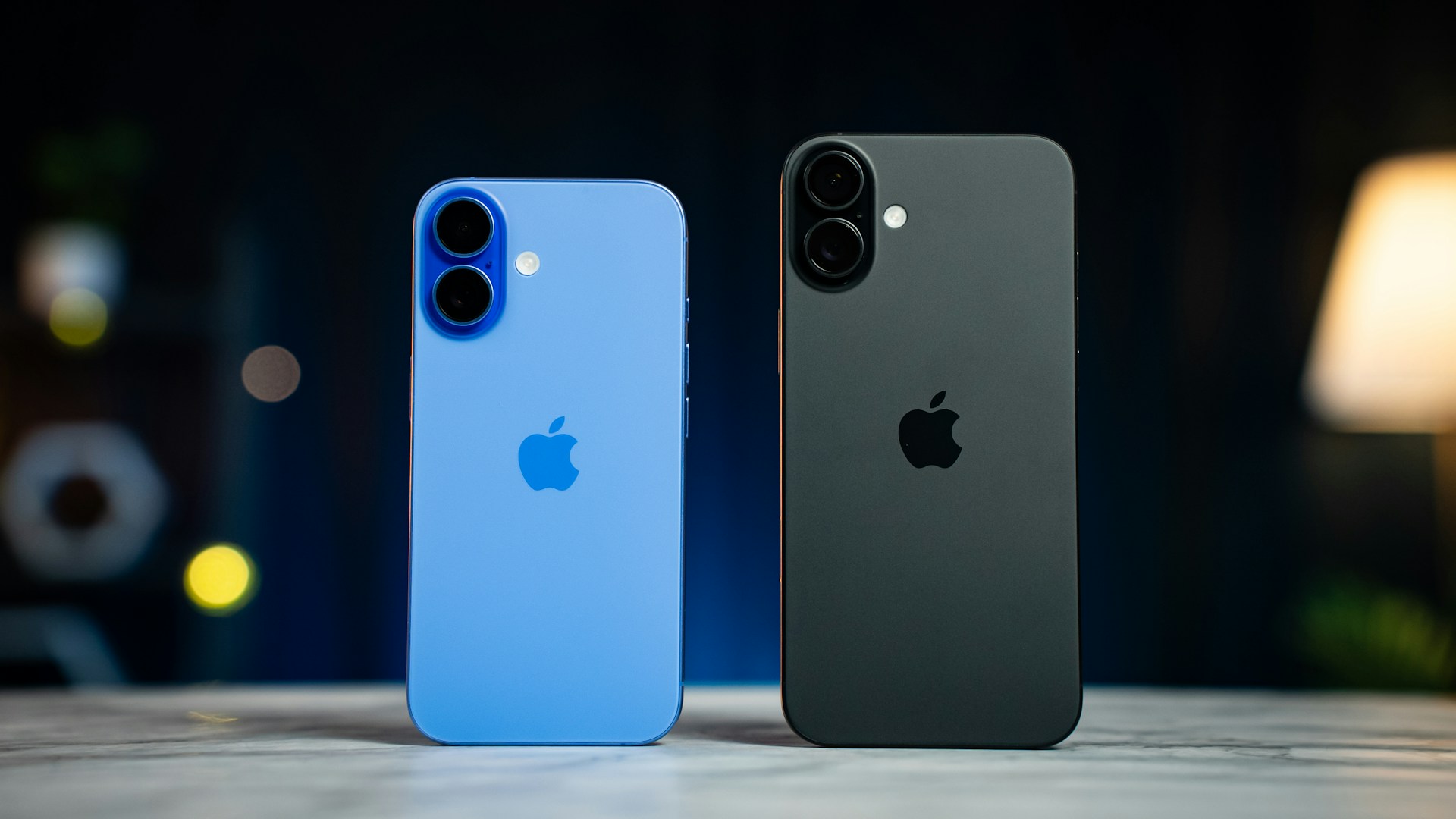
Fast forward to the 2025 landscape. The 14-series devices have obviously been superseded by the iPhone 15 and 16 generations, both of which tightened up the Plus and Pro Max formulas significantly. But those older phones are still incredibly viable daily drivers. If you’re currently rocking a 14 Plus or 14 Pro Max, there’s a good chance you haven’t felt a burning need to upgrade.
Head to Head: The Hardware That Defined the Standard
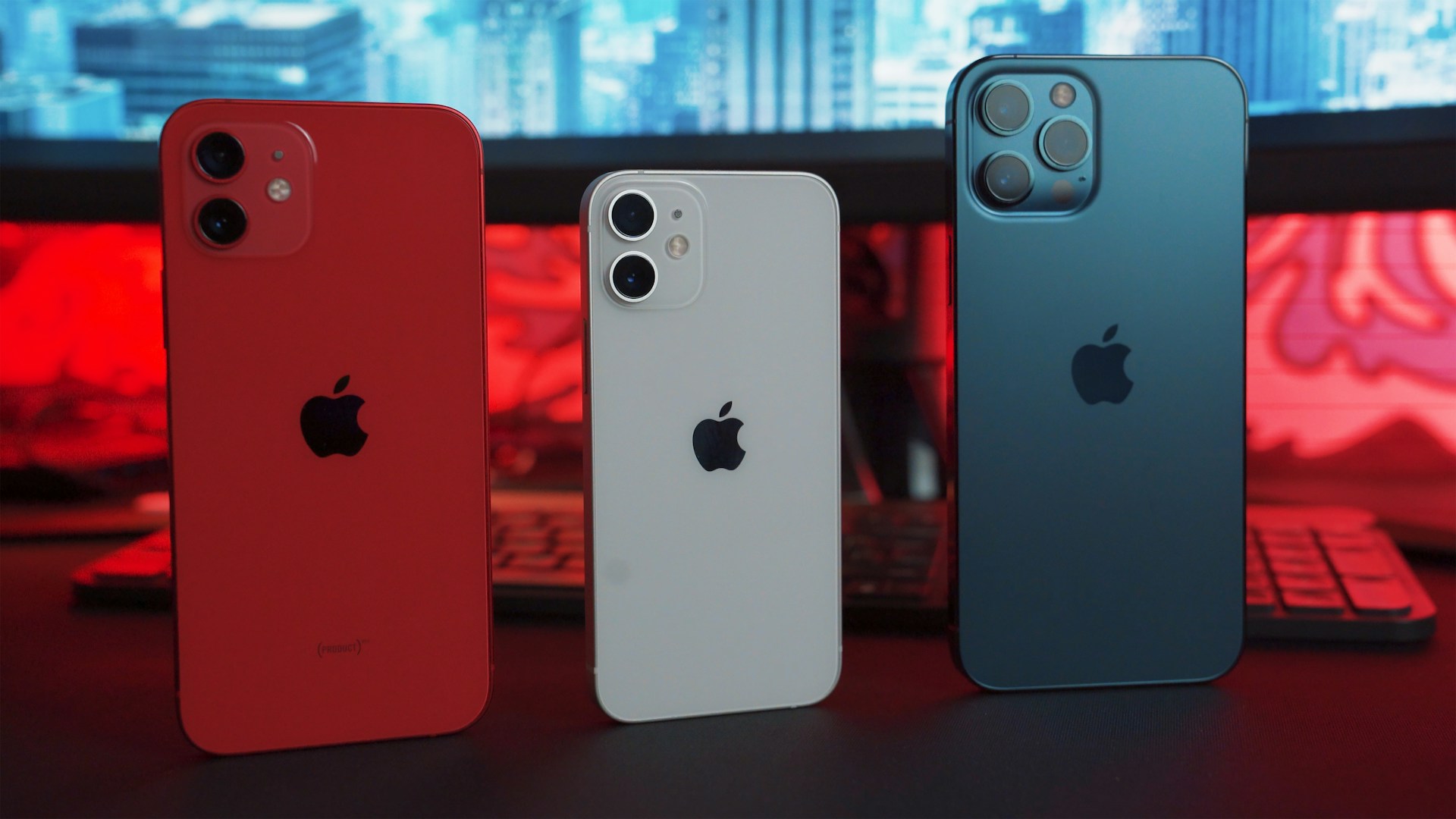
If you’re sizing them up today, both the 14 Plus and the 14 Pro Max share that same sprawling 6.7-inch OLED display. You get plenty of room to breathe on either device. They also largely stick to the design language laid down by the 12 and 13 Pro Max, though put them side-by-side and the differences are pretty stark.
The 14 Pro Max basically changed the face of the iPhone. Apple ditched the traditional notch for the Dynamic Island—a clever UI trick that turned a pill-shaped hardware cutout into an active, context-aware hub for alerts and background activities. It was a classic Apple move, taking a hardware constraint and turning it into a flex. The phone screams premium, wrapped in a stainless-steel frame with a frosted matte glass back. You can find it in Space Black, Silver, Gold, and Deep Purple.
On the flip side, calling the iPhone 14 Plus a blown-up iPhone 13 wouldn’t be far off the mark. It keeps the standard slim notch and sticks to an aluminum frame with a glossy glass back. It’s a bit more casual, coming in Midnight, Purple, Starlight, Product (RED), Blue, and that late-arrival Yellow. Both are IP68 water-resistant and feature the tough Ceramic Shield front glass, but they definitely cater to different crowds.
The real dividing line comes down to the screen tech. The Pro Max leverages a Super Retina XDR display with ProMotion, automatically scaling the refresh rate anywhere from 1Hz up to 120Hz depending on what you’re doing. Everything from scrolling your feed to gaming is buttery smooth, and the panel gets insanely bright in direct sunlight. The 14 Plus is locked at a standard 60Hz. There’s honestly nothing inherently wrong with the Plus screen—it looks great—but once your eyes get used to the fluidity of ProMotion, going back feels noticeably sluggish.
The Software Pivot: Rethinking the Canvas
Having all that physical screen real estate is one thing, but how the software actually utilizes it has always been the real bottleneck. If you’re the type of user who constantly turns your phone sideways to get a better view, Apple is finally waking up to how you use your device.
With the rollout of the first iOS 27 beta, Apple is pushing an update that genuinely changes the day-to-day feel of the iPhone. A whole suite of native apps that were stubbornly locked to portrait mode finally have proper landscape support. Turn the phone sideways, and the UI dynamically snaps to fill the wider aspect ratio. We’re talking Apple Music, Podcasts, Fitness, Health, Reminders, Home, Shortcuts, and the Weather app.
The coolest addition here is the new left-aligned sidebar. It pulls a page straight from the iPad playbook, letting you zip through menus without covering up whatever you’re looking at. If you open the Health app, for instance, your main categories sit neatly on the left while all your granular data populates the right side of the screen. Older iPhone heads might remember doing something similar on the iPhone 8 Plus, which let you use the home screen in landscape before the iPhone X killed the feature. We aren’t getting the sideways home screen back just yet, but having apps natively respect orientation makes throwing your phone on a car mount or a desk stand infinitely more functional.